BEYOND THE NUMBERS
Week 7: where we challenge ESPN—and where we keep our feet on the ground.
The Week 7 edge: opportunity before reputation
The useful fantasy question is not who has the biggest name. It is whose workload, efficiency or scoring access gives us a reason to challenge the expectation already in front of us. This week’s slate mixes roster decisions, attainable trade targets and actual waiver options. OVER and UNDER mean relative to the ESPN forecast shown on the card; they are editorial fantasy calls, not betting recommendations.
Quarterbacks: Love and Stroud to shine
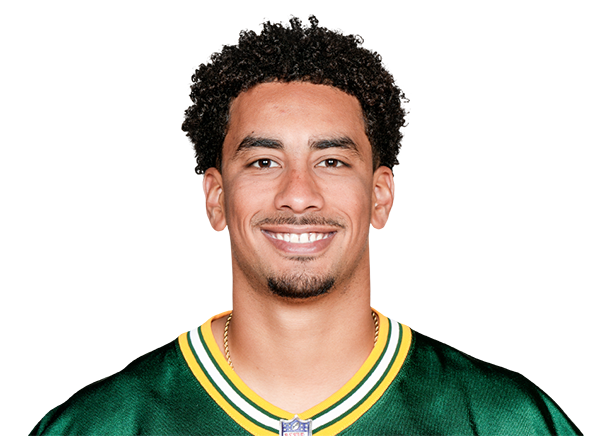
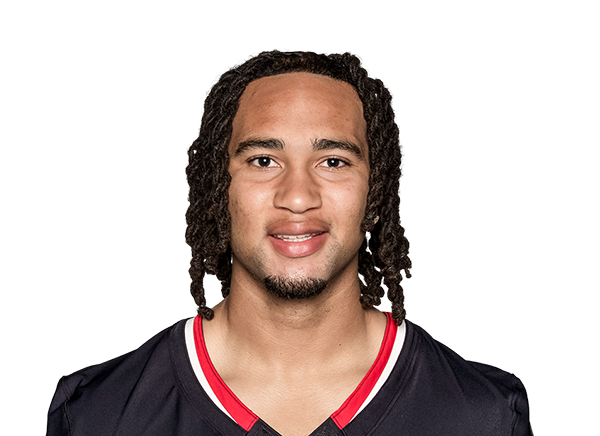
C.J. Stroud is in. His zone efficiency gives the pick football substance: 8.72 yards per attempt across 172 dropbacks against the coverage family the Giants use most. Stroud is a measured OVER lean. Jordan Love offers another zone-efficiency fit, provided his back issue does not restrict him. On the other side, McCarthy’s extraordinary efficiency comes from too little passing volume to trust yet, while Shough’s negative EPA against zone is a concern against Pittsburgh’s zone-heavy approach.
Running backs: buy the workload, watch who returns
Hubbard and Jones are trade and lineup targets rather than a shopping list of obvious top-five projections. Both show increased carries-plus-targets in their recent played games, and Jones’ receiving share is useful in PPR. Pollard’s receiving contribution gives him less insulation if the offense stalls. Dobbins is the more conditional fade: Coleman’s return window has opened, but designation is not activation. We should track that development rather than publish a fictitious confirmed split.
Receivers: production against the coverage they actually face
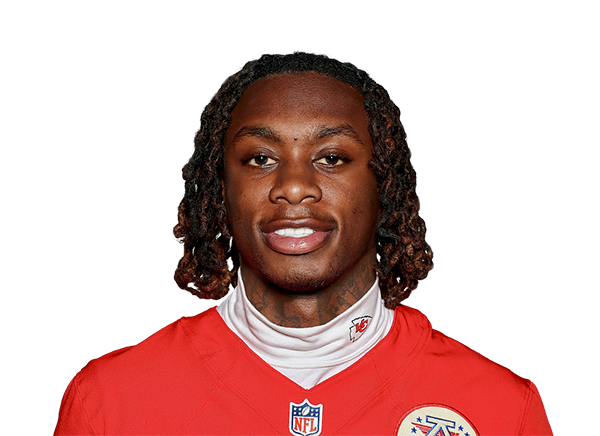
Williams gets the modest efficiency bump against Green Bay’s preferred coverage. Nabers gets the volume case and the better zone-production profile, even though we remain cautious about his quarterback’s tiny sample. Those two views can coexist: a receiver can benefit from concentrated targets while his quarterback disappoints overall. Worthy’s zone efficiency is less convincing against Seattle’s zone-heavy defense. Brown’s UNDER is about the forecast during his return, not an assertion that an elite receiver has stopped being elite.
Tight ends: the most accessible part of the slate
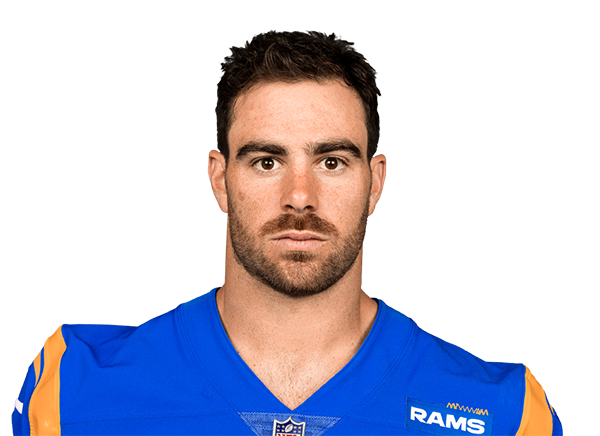
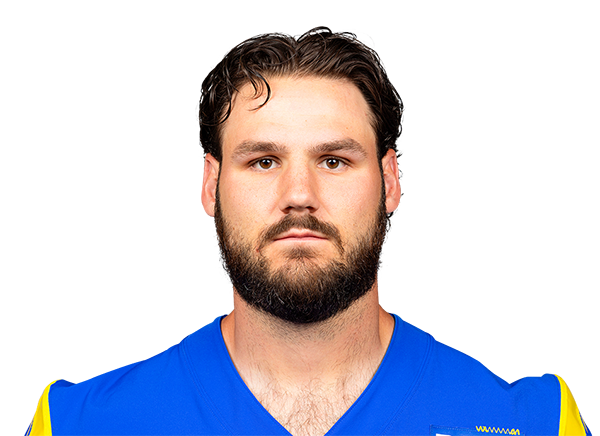
Henry and Higbee are the practical pickup candidates: approximately 47% and 20% rostered, respectively, at our check. Henry has red-zone involvement; Higbee combines stronger zone efficiency with a potential opportunity window after Adams’ injury. Loveland’s efficiency leaves us below his ESPN expectation. Parkinson is the uncomfortable fourth pick: low season efficiency supports the UNDER, but his rising targets and the same Adams absence argue against a confident fade. If trimming this slate for a shorter social post, Parkinson is one I would leave out.
Defense and kickers: prioritize repeatable chances
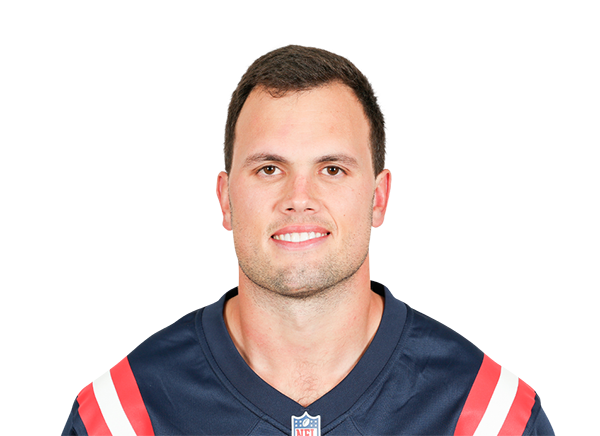
Cleveland and the Jets offer a better recorded pass-rush baseline than Dallas. Las Vegas’ points-allowed exposure leaves little appeal in an already low projection. At kicker, Shrader’s attempt volume makes him an appealing OVER, with Reichard earning our other nod. Carlson’s 1.67 attempts per game and 70% accuracy make his case less convincing. Butker and Ryland are lower-than-ESPN calls; neither is a prediction of zero useful fantasy points.
How to use this without overreacting
Check the final injury reports and your scoring settings before making a move. An OVER or UNDER call is a lean, not certainty, and a trade target is not a reason to overpay for one week. Our Weeks 1–6 reconstructed disagreement backtest has mixed results and does not establish that these new calls will beat ESPN. We are now keeping timestamped forecasts so the future evaluation can be cleaner. Bring the decision back to your own lineup, your alternatives and your playoff needs.